Why Partial Security Fails in Crypto

Introduction
Most crypto users believe they are protected. They have a wallet they trust. They've installed a browser extension that flags suspicious sites. They've heard about transaction simulators and maybe even use one occasionally. They feel like they've done the responsible thing.
The uncomfortable truth is that this setup, the one most security-conscious crypto users actually have is partial security. And partial security in crypto doesn't mean reduced risk. It means predictable, exploitable gaps that attackers know exactly how to navigate around.
The Illusion of Being Protected
There's a specific psychological dynamic that makes partial security dangerous: it provides genuine protection in some scenarios, which creates the impression of comprehensive protection in all scenarios. A browser extension that successfully blocks a phishing attempt feels like proof that you're covered. But that same extension has a defined boundary, it operates within one browser, on known threat signatures, during active browsing sessions.
Step outside those conditions and the protection disappears. Download a malicious PDF outside the browser. Use a different browser for a quick transaction. Get hit by a clipboard hijack that swaps an address at the OS level rather than the browser level. Access your wallet from a network that's been compromised. In every one of these scenarios, your browser extension is doing exactly what it's designed to do, and providing zero protection.
The attack surface in crypto isn't one layer. It's every layer.
Mapping Where Attacks Actually Happen
To understand why partial security fails, you have to map the full threat surface of a typical crypto interaction, from the moment you decide to make a transaction to the moment it's confirmed on-chain.
Before you click: Phishing infrastructure is designed to intercept users before they reach legitimate platforms. Typosquatted domains, compromised search ad placements, social media links from hacked accounts the attack begins in the environment you inhabit before you open your wallet.
During browsing: Once you're on what appears to be a legitimate site, malicious UI elements can obscure contract logic, redirect approvals to attacker addresses, or capture signatures through misleading confirmation flows.
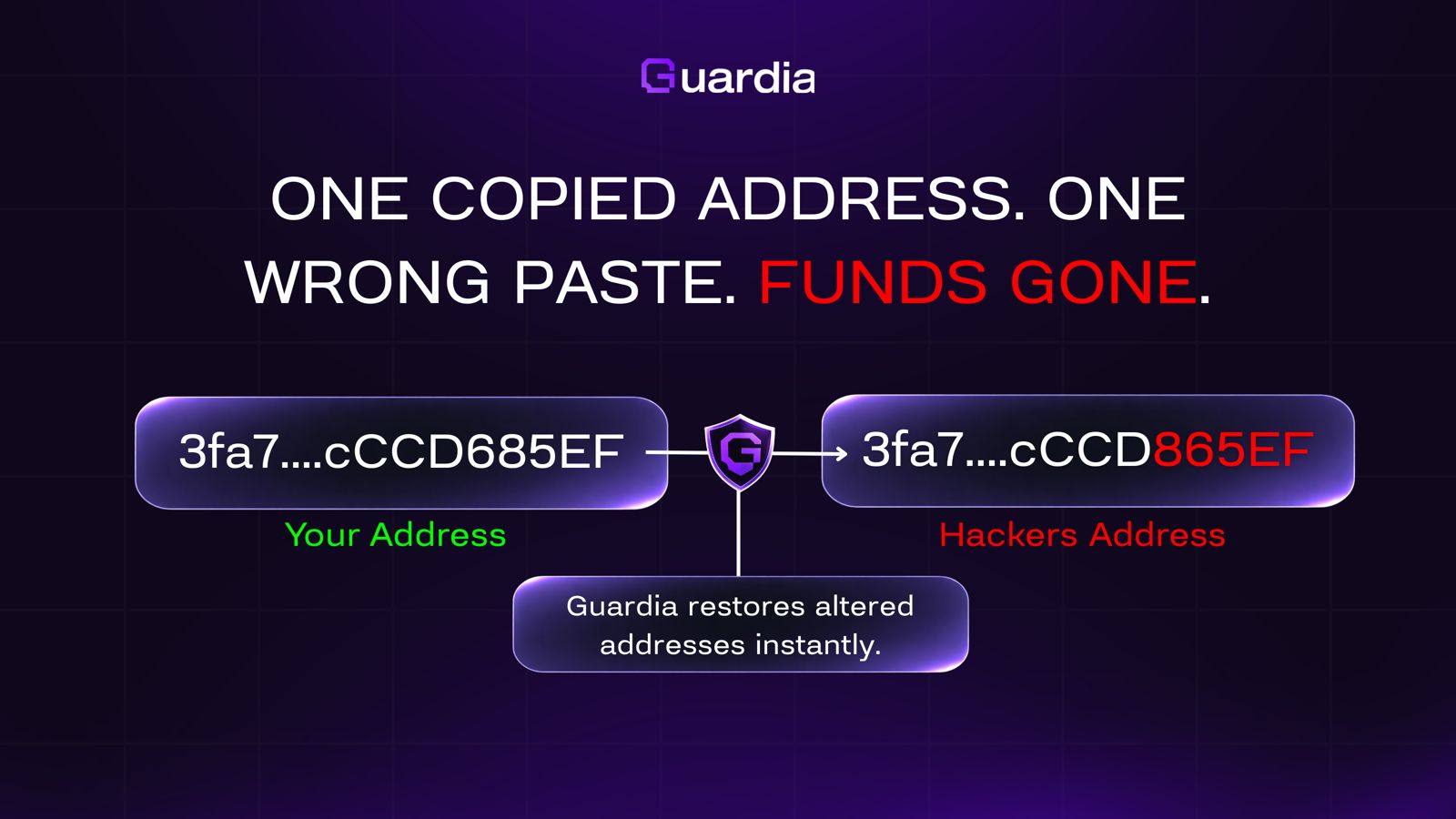
At the clipboard: Between copying a wallet address and pasting it into a transaction field, clipboard hijacking malware running at the OS level can swap the address to an attacker-controlled one — in milliseconds, invisibly, with no browser-layer tool able to detect it.
At the approval stage: Hidden contract logic in malicious smart contracts requests permissions that aren't visible in the wallet's simplified approval UI. The user sees 'Approve Token Spend.' The contract logic includes unlimited allowance grants to attacker-controlled addresses.
After signing: Once execution begins, wallet drainers operate at transaction speed. By the time the first confirmation hits, the assets may already be in an attacker's wallet.
Every stage is an attack surface. Tools that only cover one stage leave the rest exposed.
How Attackers Design Around Partial Security
The sophistication of modern crypto attacks isn't just technical — it's architectural. Attackers study the security tooling that their targets use and design their exploits to operate in the spaces between those tools.
Timing attacks: Attackers exploit the gap between when a phishing domain is created and when threat intelligence databases index it. A brand-new domain that clones a legitimate platform may not appear in any extension's blocklist for hours or days, which is enough time to execute a campaign and disappear.
Layer targeting: Clipboard hijackers are specifically designed to operate below the browser layer because they know browser extensions can't see OS-level clipboard events. Network-layer attacks are designed to bypass wallet-level checks because they intercept traffic before it reaches the wallet.
Distraction engineering: Malicious UIs are specifically designed to create cognitive load that makes users less likely to scrutinize approval details. Urgency cues, limited-time mint countdowns, complex multi-step flows, all of these are attacker tools designed to bypass the human review that partial security relies on.
The conclusion is uncomfortable but clear: if you use partial security tools, sophisticated attackers already know exactly where your blind spots are.
What Holistic Protection Actually Means
Holistic security isn't about using more tools. Stacking five partial tools doesn't create comprehensive coverage, it creates five partial coverage zones with gaps between all of them.
Holistic security means:
• Coverage across the entire device environment, not just one browser or one wallet
• Monitoring at every stage of an interaction — before, during, and at the point of signing
• OS-level visibility that can see what browser extensions cannot, including clipboard events, network requests, and file system activity
• Continuous operation rather than conditional activation — protection that runs whether you're actively transacting or simply have a wallet installed on the device
• Offline capability, because malware doesn't deactivate when your network connection drops
Guardia's Architecture
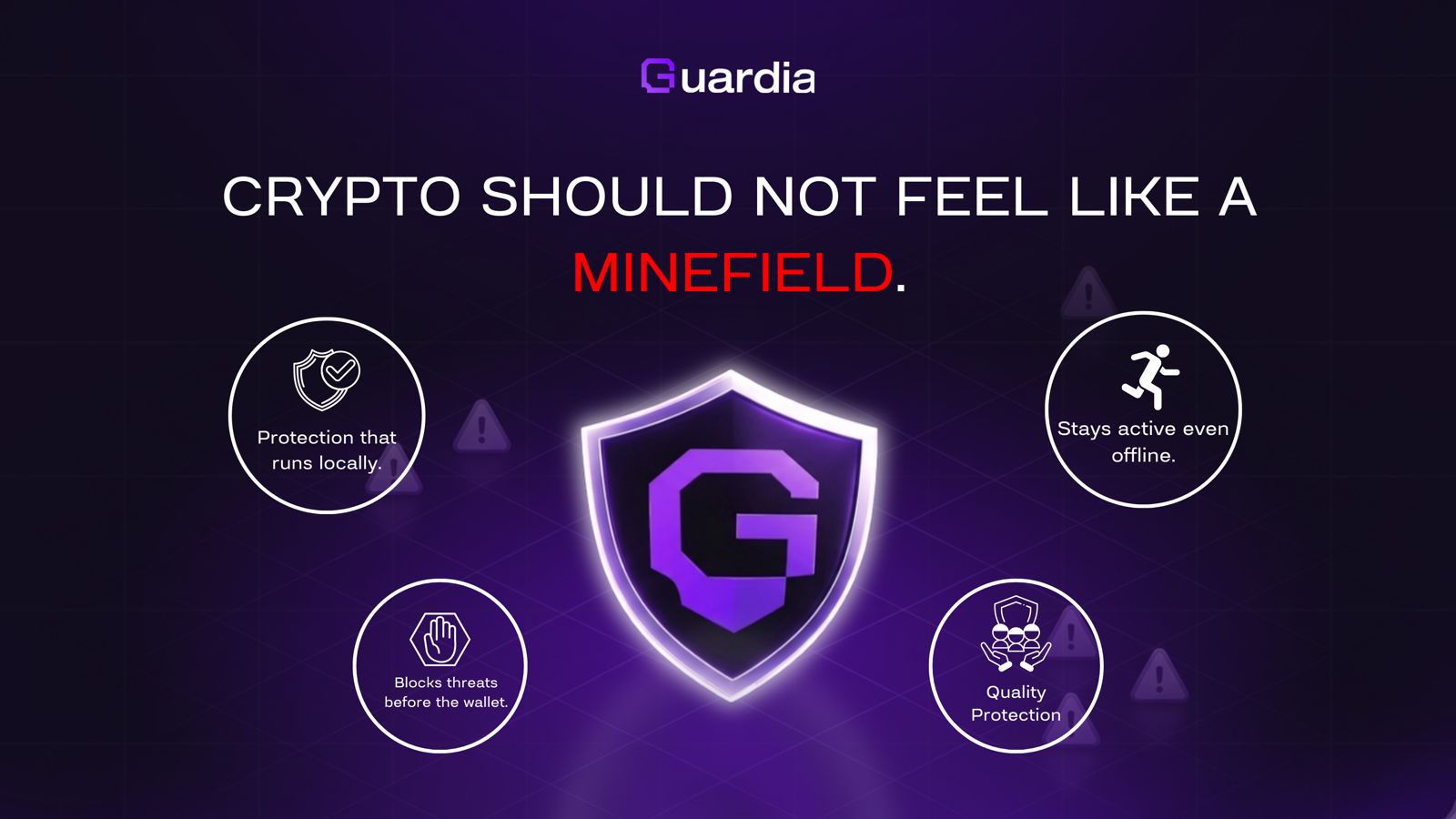
Guardia is built as a device-level security system rather than a browser plugin or wallet extension. That architectural choice is the core differentiator. Operating at the device level means Guardia sees the full environment:
• Every wallet installed on the device, not just one
• Every browser, not just one
• OS-level clipboard events that browser extensions are architecturally unable to monitor
• Network traffic at the system level, before it reaches any browser or wallet
• File system activity that might indicate malicious downloads or dormant malware
This isn't a richer version of what browser extensions do. It's a fundamentally different security layer that operates beneath the tools most users rely on, covering the gaps those tools can't reach.
Conclusion
In crypto, the security question isn't 'do I have protection?' It's 'what percentage of my attack surface is actually covered?' For most users with a browser extension and a trusted wallet, the honest answer is: a fraction.
Holistic beats partial. Not because it's a more premium version of the same thing — but because it operates in the places partial security never reaches. One system. Full environment. Continuous coverage.
Anything less is exposure dressed as protection.
Read other blogs
Stay informed with our latest articles on property protection, security trends, and best practices.