Crypto should not feel like a minfield
Introduction
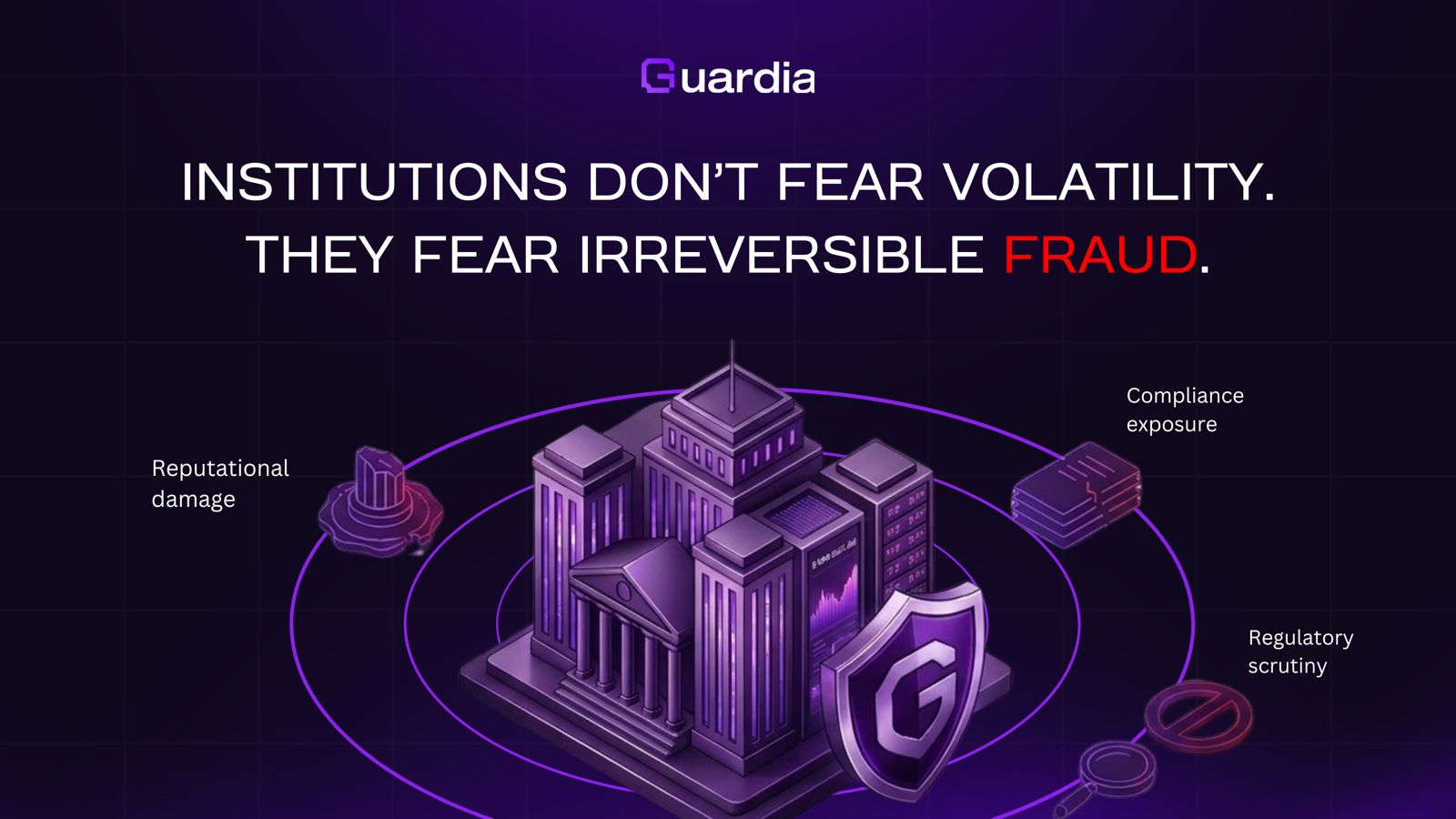
Crypto was supposed to be the future of finance. Open, borderless, permissionless, a system where you are your own bank and your assets are under your own control. For millions of people, that promise is real. But for most everyday users, the daily experience of navigating crypto doesn't feel like financial freedom. It feels like walking through a minefield.
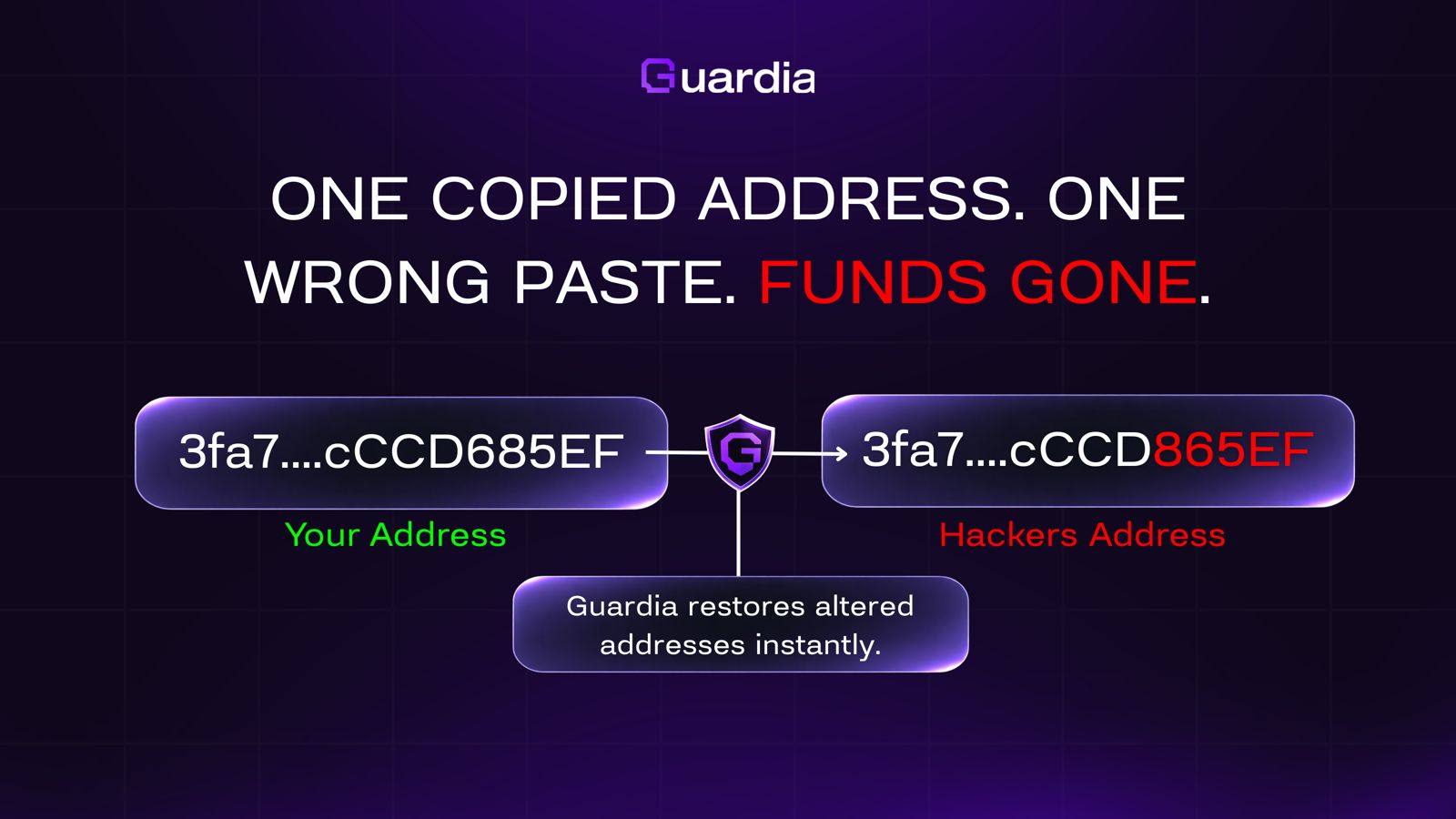
One wrong click on a phishing link. One reckless approval on a smart contract you didn't read closely enough. One moment of distraction during a clipboard paste. And everything you've built, your portfolio, your NFTs, your savings in stablecoins, is gone. Irreversibly. With no support line to call and no fraud department to file a dispute with.
This isn't a fringe problem affecting careless beginners. It's a structural issue at the heart of how crypto security works today, or more accurately, how it fails to work.
The Threat Landscape Is Invisible by Design
The most dangerous crypto attacks aren't dramatic. They don't announce themselves. They don't come with warning labels. They're engineered specifically to look like normal user behavior.
Here's what users are actually navigating every time they interact with crypto:
• Phishing websites that clone real platforms pixel-for-pixel, down to the URL structure and UI micro-copy, designed to capture wallet signatures or seed phrases
• Malicious smart contracts embedded inside what appear to be legitimate DeFi protocols, NFT mints, or airdrop claims often promoted by compromised social accounts
• Wallet drainers that activate the moment you sign a transaction, pulling all approved assets within seconds
• Fake airdrop and token claim pages that request unlimited token approvals in exchange for tokens you'll never receive
• Social engineering attacks coordinated through Discord DMs, Telegram groups, and X replies,often from accounts that appear credible and verified
None of these attacks look like attacks in the moment. They look like a trading opportunity, an airdrop notification, a customer support message, a project you follow posting something new. The attack surface is invisible, and that invisibility is the point.
The False Confidence Problem
Ask most crypto users if they think they're protected, and the majority will say yes. They use a hardware wallet. They double-check URLs. They've been in crypto for years and have never been hacked. This confidence is understandable, and deeply dangerous.
Here's why: attackers have moved on from targeting beginners. Beginners are actually harder to exploit in some ways, they move slowly, they hesitate, they ask questions before clicking. Experienced users are more valuable targets precisely because they've built habits.
Fast clicks. Muscle memory. Routine transactions that get approved without a second look. It's the crypto equivalent of a driver who's been on the road for years and stops checking their mirrors at every lane change, because they've done it ten thousand times without incident.
That's the moment attackers wait for.
The real issue isn't knowledge. Most experienced crypto users know what phishing is. They know about wallet drainers. They've probably seen the warnings. But knowing about a threat and being protected from it are entirely different things, especially when the attack is designed specifically to target the moments when your guard is down.
Why Current Security Tools Fall Short
The crypto security ecosystem is fragmented, reactive, and full of gaps. Here's an honest look at what the tools most users rely on actually do:
Browser extensions: These catch some known phishing domains and flag certain malicious contracts. But they operate at the browser level only, miss novel threats that haven't been indexed yet, and provide no protection outside of that specific browser session
Wallet warnings: Modern wallets have improved their transaction simulation features, but these only activate during the signature moment, and only for threats they recognize. They don't monitor your device environment, your clipboard, or your network activity
Transaction simulators: Useful for previewing what a transaction will do, but again, these are point-in-time tools. They don't protect against clipboard hijacking that happens before you paste an address, or against malware that's already running on your device
The fundamental problem is that there is no continuous protection layer. Every tool addresses one specific slice of the attack surface. Attackers are fully aware of this, they design their exploits specifically to fall through the gaps between tools.
A phishing site that launches a malicious signature request can bypass a browser extension if the domain is new. Clipboard malware runs silently at the OS level, beneath the reach of any browser-based tool. Offline-installed malware activates whether or not you're connected to the internet.
Partial security doesn't add up to full security. It just creates the illusion of it.
What Real Protection Looks Like
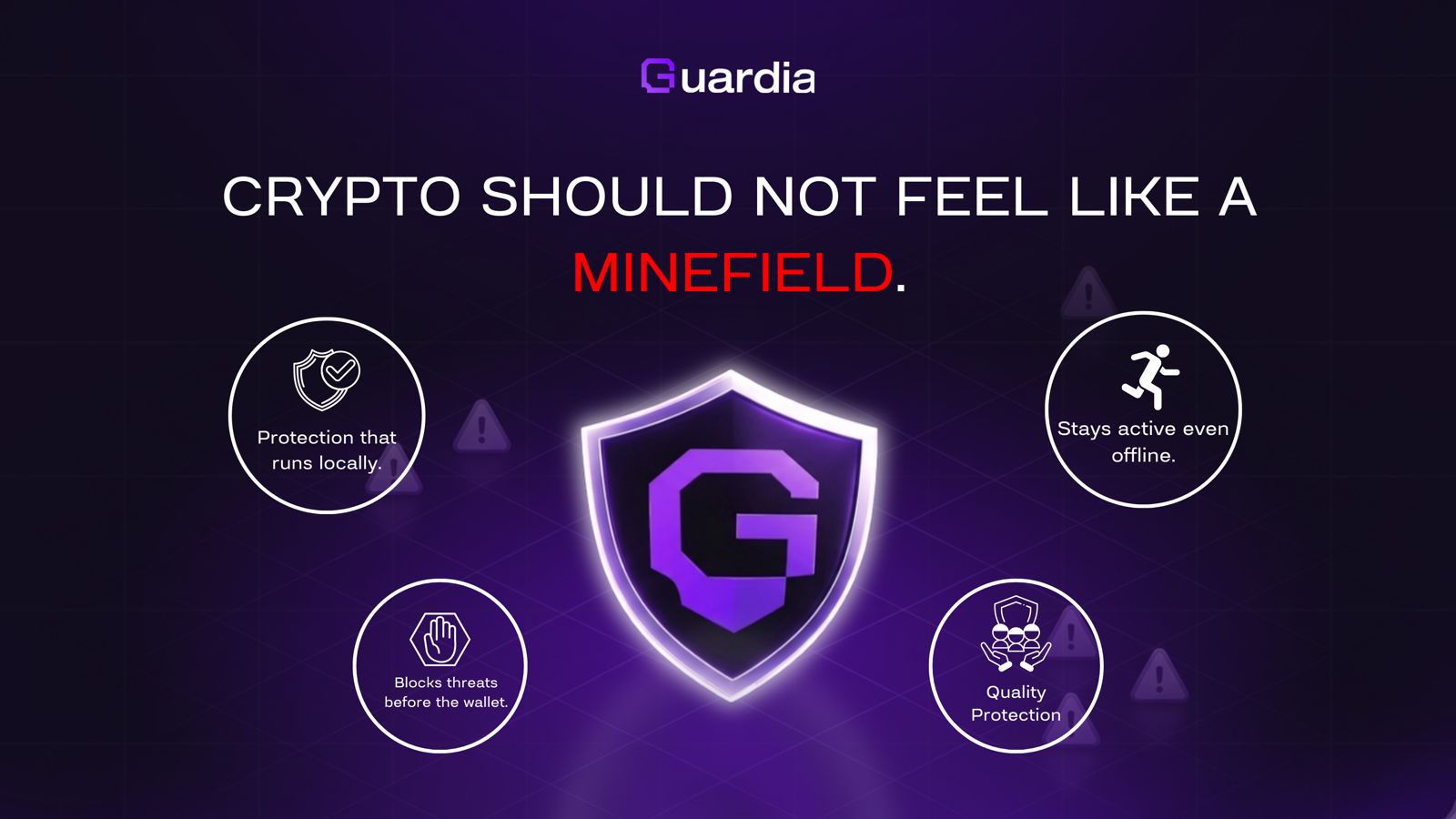
The core insight that Guardia is built on is simple: security has to be continuous, not conditional. It can't only activate when you're about to sign. It can't only cover one browser. It can't only work when you're online.
Effective crypto security means:
• Detecting threats before they reach the wallet, blocking the malicious domain, flagging the suspicious download, alerting on the compromised network before any interaction happens
• Running locally on the device, which means faster response times and full data privacy, nothing is sent to the cloud, nothing is processed on a remote server
• Staying active offline, because attackers plant malware during connected sessions that activates later, or because your device may already be compromised from a previous session
• Covering the whole device environment, every browser, every wallet, every app not just one specific tool in one specific context
Conclusion
Crypto shouldn't feel like survival. It shouldn't require paranoia, deep technical knowledge, or constant vigilance to use safely. It should feel like control confident, informed, protected.
But until there's a continuous, device-level protection layer that closes the gaps between point-solution tools, users will keep operating in uncertainty. And uncertainty is exactly where attackers win.
The minefield doesn't have to be permanent. It just requires the right infrastructure to navigate it safely.
Read other blogs
Stay informed with our latest articles on property protection, security trends, and best practices.