The Hidden Risk That Drains Crypto Wallets
Introduction
Most people who are new to crypto focus on the wrong risk. They worry about sending funds to the wrong address. They watch the price during a transfer. They double-check that their transaction fee isn't too high. These are reasonable things to monitor, but they're not where most losses actually happen.
The most dangerous moment in a crypto interaction isn't when you send. It's when you sign.
Understanding the difference between these two actions, and why one is so much more exploitable than the other, is fundamental to understanding how wallet drains and sophisticated crypto attacks actually work.
Signing vs. Sending: A Critical Distinction
When most people think about authorizing a crypto transaction, they think about sending funds from one address to another. That's a relatively simple, visible action: amount, destination, fee, confirm. You can see what you're doing.
Signing is different. When you sign a transaction or a smart contract interaction, you're not necessarily moving funds in that moment. You're granting permissions. You're authorizing a contract to access your assets, up to a limit you may or may not fully understand. You're approving an interaction whose full consequences may only manifest later, sometimes seconds later, sometimes days later.
The mechanics look like this: a DeFi protocol asks you to 'approve' it to spend your tokens before you can trade. An NFT marketplace asks you to sign a message to verify your identity. A new platform asks you to connect your wallet and sign an off-chain message to log in. In each case, you're signing and depending on what you're actually signing, you may be granting far more access than the interface suggests.
How Malicious Signatures Are Constructed
Attackers who build wallet-draining infrastructure understand that users read the approval UI, not the contract data. So they design the UI to say something innocuous 'Approve', 'Connect', 'Verify', 'Claim' while the underlying contract logic contains something else entirely.
Common patterns include:
• Unlimited token approvals: The interface shows 'Approve USDC' with no amount specified. The contract requests approval for the maximum possible token amount meaning the contract can drain your entire USDC balance at any point in the future, even after you've stopped using the platform
• Permit phishing: EIP-2612 permit signatures allow token approvals to be granted off-chain through a signed message, rather than an on-chain transaction. An attacker can construct a permit request that looks like a harmless off-chain signature but actually grants them the ability to move your tokens without any further action on your part
• Setapprovalforall: In NFT contexts, a single 'setApprovalForAll' signature grants a contract the ability to transfer any NFT in your wallet, across any collection. Malicious marketplaces exploit this to drain entire NFT portfolios through a single approval
• Malicious delegate calls: More sophisticated attacks use delegatecall patterns that allow attacker-controlled code to execute with the permissions of your wallet address
In each of these cases, the moment of maximum risk isn't obvious. You're clicking 'Approve' on what looks like a standard flow. The damage happens either immediately or later, when the attacker decides to execute the drain using the permissions you already granted.
The No-Recourse Reality
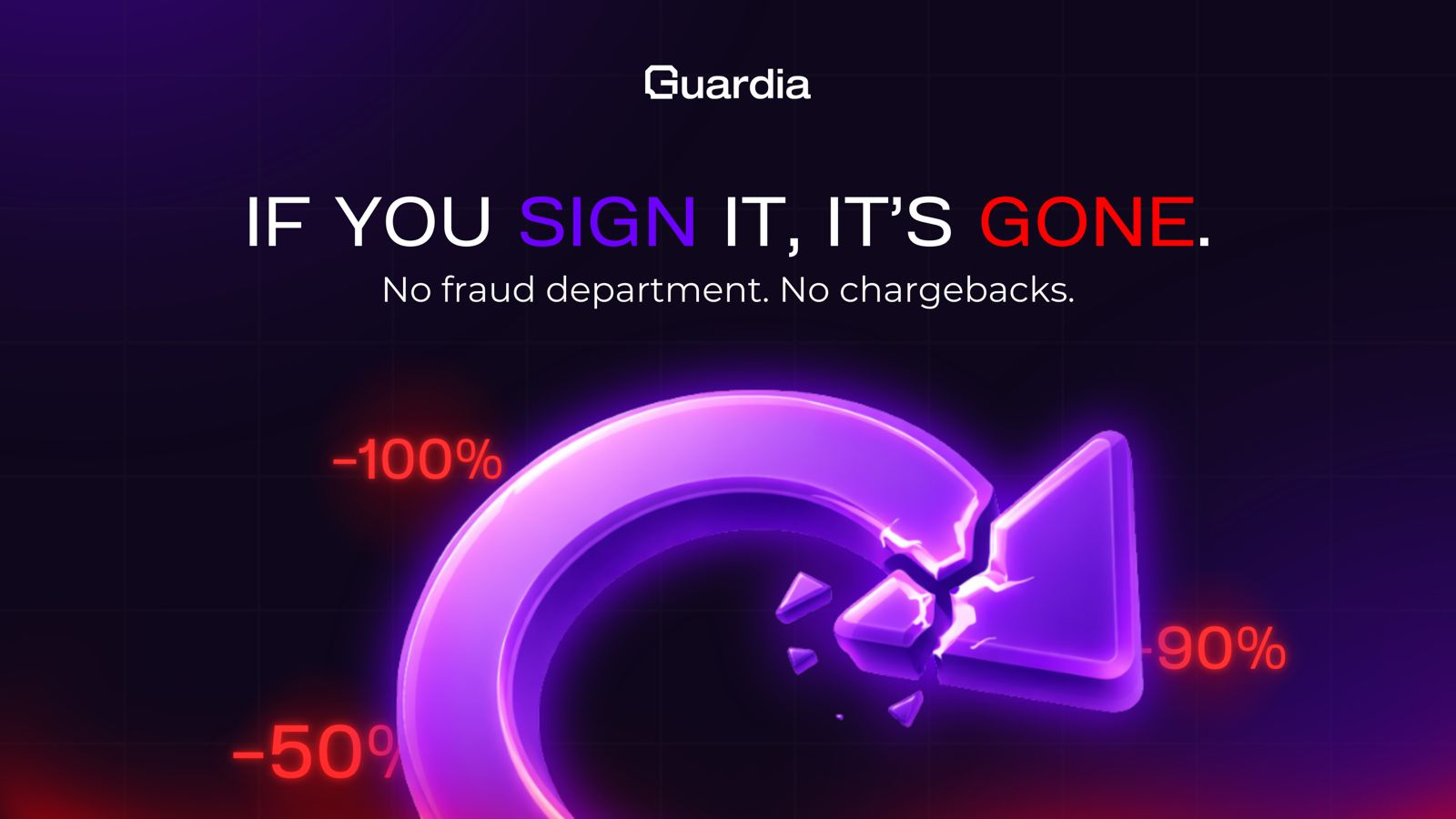
This is where crypto's architecture becomes both its strength and its vulnerability. Blockchain transactions are final. They're executed by code, verified by consensus, and recorded permanently. There is no fraud department. There is no chargeback mechanism. There is no support ticket that results in asset recovery.
When you sign a malicious approval, you have authorized the transfer. The smart contract executes exactly what the code says. The blockchain records exactly what happened. From a technical and legal standpoint, you approved the transaction, even if you were deceived into doing so.
The numbers are stark. Wallet drains routinely extract 90-100% of accessible assets within seconds of the drain contract being triggered. The attacker typically uses automated bots that monitor for newly granted approvals and execute the drain immediately. By the time you notice something is wrong, if you notice at all the assets are already in an attacker's wallet, possibly already bridged to a different chain or mixed to obscure the trail.
There is no -50% scenario where you get half back. There is no timeline in which intervention is possible. Once it's signed, it's gone.
Why This Keeps Happening at Scale
If signing is so dangerous, why do sophisticated users keep falling victim to malicious approval attacks? The answer lies in a collision between crypto UX design and human cognitive patterns.
Approval requests are everywhere. DeFi protocols require token approvals as part of their architecture. NFT marketplaces require set approval for all to function. Wallet connection flows involve signature requests. If a user is active in crypto, they sign things constantly and constant exposure breeds habituation. The approval popup becomes background noise.
The interfaces are designed to abstract complexity. Wallets and dApps deliberately simplify approval UIs to reduce friction for users. This is a reasonable UX decision for legitimate protocols, but it also means the information a user would need to evaluate a malicious approval is hidden behind UI layers most users never access.
Attackers manufacture urgency. Limited-time mints, exclusive whitelist windows, 'act now' token claims these are all pressure mechanisms designed to push users through approval flows faster than they would otherwise move. Speed is the enemy of scrutiny.
Guardia's Pre-Signature Layer
Guardia operates at the point in the workflow that matters most: before the signature. By analyzing transaction intent, contract behavior, and risk signals at the device level before the approval UI is even presented Guardia can identify dangerous approval requests and surface that information in a way that interrupts the flow before commitment.
This means:
• Unlimited approval requests are flagged before you click confirm, not after the drain has executed
• Known malicious contract addresses are blocked before the signing flow reaches you
• Unusual permission scopes are identified and explained in plain language, rather than buried in contract data
• Phishing domains presenting fake approval UIs are blocked at the network level before you reach the signing stage
The goal isn't to add friction to every transaction. It's to add scrutiny at the specific moments when scrutiny is most needed and to do it automatically, so it doesn't rely on users remembering to check something they've been conditioned to approve quickly.
Conclusion
Sending funds is visible. You can see the amount, the destination, the fee. You know what you're doing.
Signing is hidden. The permissions you're granting, the access you're authorizing, the future transactions you're enabling these are often invisible in the moment, presented behind a UI that says 'Approve' and asks you to click confirm.
Read other blogs
Stay informed with our latest articles on property protection, security trends, and best practices.